

She held a folder containing her acceptance letter while she sat in the back row of a freshman orientation at a midsize public university in Massachusetts. That morning, her mother had ironed her shirt. Because he couldn’t afford to miss his shift, her father had driven her for three hours before turning around. She was looking up the definition of a syllabus on Google by the second week. By the sixth, she was considering returning home. Since no one in the school asked, nobody knew.
In this country, we have a narrative about higher education that frequently includes the word “opportunity.” However, if you spend enough time in any campus dining hall, you will notice the students who eat by themselves, who have never quite figured out how the meal plan works, and who have a quiet alertness that is reminiscent of someone navigating a place without a map. The number of these students who fall between the cracks is greater than most universities are willing to acknowledge, and they are frequently first-generation students.
When you discover the data, it is unsettling. In contrast to 57% of students whose parents attended college, only 27% of first-generation students receive financial aid assistance from their parents, according to the Pell Institute. It has nothing to do with ambition or love. It has to do with familiarity. It is impossible to lead someone through a process that you have never gone through. However, it appears that the entire American college admissions process is predicated on the idea that someone back home already knows the way.
We may have mistaken equity for access for too long. It is one thing to get in. The real story resides in staying in, thriving, and finishing. According to data from the National Center for Education Statistics, 72% of first-generation high school students had not taken any college-prep courses in 2020. We give them a course catalog and wish them luck after they arrive on campus already behind schedule. We seem to have planned the finish line without taking the time to repair the track.
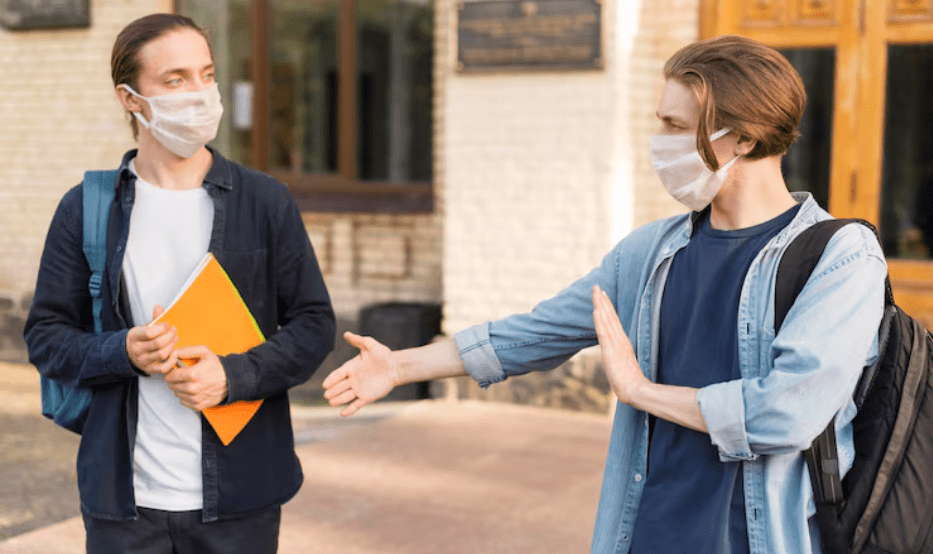
Although it is more difficult to measure, the emotional weight is more obvious. Many of these students express an odd sense of guilt, believing that attending college is in some way a betrayal of the family who are staying behind, sending money, working double shifts, and hoping. A young man from Lawrence whose parents had immigrated from the Dominican Republic was one of the students I met years ago. He told me he kept failing his second-semester classes because he couldn’t stop calling home. His mom had missed work hours. As he read Faulkner while she counted coins, he felt self-centered. That spring, he dropped out. There was no call from the university.
These days, schools talk a lot about culture, but in reality, culture is primarily architecture—what is constructed, financed, and given priority. There are effective programs for preparing students for college. Among them is OneGoal. Family get-togethers, mentorship programs, and counselors who genuinely recall students’ names are also beneficial. However, many high schools are unable to provide those services, especially the underfunded ones that first-generation children typically attend. Occasionally, the counselor’s office is used as a storage space. Since 2019, the college board on the wall has not been updated.
Observing all of this, it seems that first-generation students’ lack of ambition isn’t the issue. The rest of us are lacking in creativity. The children arrive. They have two jobs. They translate documents for parents who are equally proud and perplexed. The scaffolding—the presumption that they belong in the space and the realistic follow-through that makes belonging genuine—is what’s lacking.
Perhaps that is the current silent scandal in American higher education. It’s not that the door is closed, but rather that no one took the time to construct the hallway behind it.
