
Last month, something subtly historic occurred in a federal California courtroom, and it had nothing to do with a billionaire or a celebrity. It concerned a small, rural school district in eastern Kentucky called Breathitt County, which is the type of American community where the school counselor most likely knows every child by first name. YouTube, Snap, TikTok, and Meta were sued by that district. And all four of them reached a settlement in the weeks preceding what was meant to be a historic trial.
It came to about $27 million. At $9 million, Meta made the biggest payment. Alphabet, the owner of YouTube, paid slightly more than $2 million, while Snap and ByteDance, the parent company of TikTok, each paid $8 million. As was to be expected, the companies refuted the underlying accusations. According to Meta, it “resolved this case amicably.” According to YouTube, the result was mutual and confidential. Snap and TikTok didn’t say much in public. However, the checks had been written. There is no question about that part.
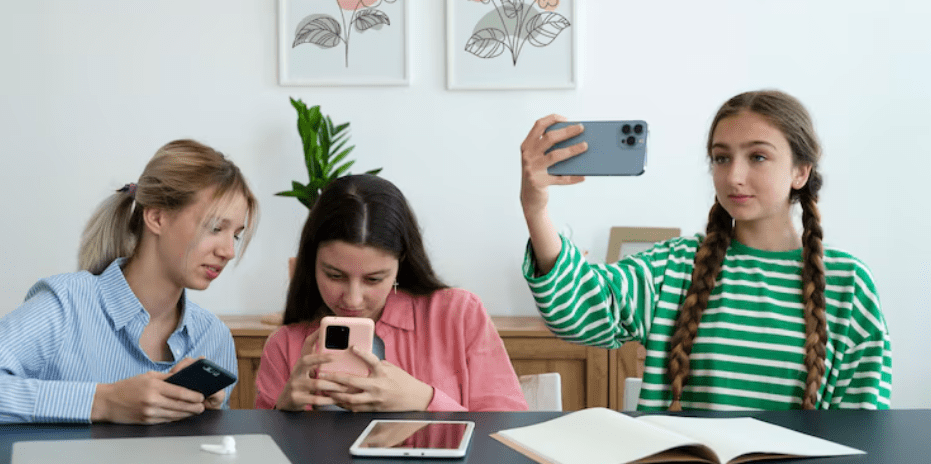
These platforms were accused by Breathitt County of purposefully creating addictive products that caused students to experience anxiety, depression, and even self-harm. A symbolic victory was not what the district was aiming for. In addition to forcing the companies to redesign their platforms and eliminate or restrict features like infinite scroll and autoplay video—the mechanisms that keep a teen on an app long after midnight—the initial lawsuit sought more than $60 million to fund mental health programs for students older than fifteen.
Big Tobacco is a parallel that is difficult to ignore. Tobacco companies were hit with a barrage of lawsuits in the 1990s that claimed they had intentionally created addictive products despite their public denials. The legal reasoning makes sense, even though the comparison is flawed because cigarettes and Instagram kill in different ways. The argument put forth by the plaintiffs is basically the same: you knew, you built it anyhow, and you made money while children paid the price.
The fact that juries are beginning to reach a consensus sets this case apart from previous legal battles involving social media companies. A Los Angeles jury found Meta and YouTube accountable in March and ordered them to reimburse a young woman for $6 million. A few weeks later, the attorney general of New Mexico filed a lawsuit alleging platform safety violations, and a different jury found Meta liable for $375 million in civil penalties. Such consecutive rulings often alter corporate legal teams’ calculations. After seeing two juries come to the same verdict, settlement begins to seem more appealing.
The Breathitt County case was referred to as a “bellwether”—a legal term for a test case intended to gauge juror sentiment prior to thousands of similar lawsuits proceeding. Similar claims have been filed against these same companies by about 1,200 school districts nationwide. As this develops, it’s possible that the $27 million given to a single small district is more about what will happen next than it is about the money itself. If a settlement is reached prior to trial, there will be no public testimony, no internal court documents, and no jury verdict that 1,199 other districts can cite.
The battle is far from finished. The school districts’ attorneys made it clear that this settlement does not impede their progress. There are already scheduled cases from the Tucson Unified School District and others. A federal trial of a Tennessee attorney general’s case is scheduled for July. A sense that the legal and cultural foundation of social media companies is changing in ways that cannot be handled with a press release about teen accounts and parental controls is gradually emerging throughout these proceedings.
It’s unclear if the $27 million will have any impact on the students in Breathitt County. It’s still unclear if the funding will be sufficient or if any sum could adequately address what these platforms have created and what they have subtly stolen from a generation of children who never asked to be the product.
