Close Menu
RadiowavesRadiowaves
  • Homepage
  • Privacy Policy
  • Terms of Service
  • About Us
  • Disclaimer
  • News
  • Schools
  • Trending

The Daredevil College Team – How Columbia Law Forged Matt Murdock and Foggy Nelson

May 31, 2026

Cambridge University Fossil Fuel Divestment – A Five-Year Fight That Finally Cracked the Endowment

May 31, 2026

UK University Mergers Are No Longer a Last Resort — They’re Becoming a Strategy

May 31, 2026

Manchester University Plans to Send Every Student Into the Workplace – It Could Change British Higher Education

May 31, 2026
RadiowavesRadiowaves
Subscribe Login
  • Homepage
  • Privacy Policy
  • Terms of Service
  • About Us
  • Disclaimer
  • News
  • Schools
  • Trending
RadiowavesRadiowaves
Home » Cambridge University Fossil Fuel Divestment – A Five-Year Fight That Finally Cracked the Endowment
News

Cambridge University Fossil Fuel Divestment – A Five-Year Fight That Finally Cracked the Endowment

Jerry LegerBy Jerry LegerMay 31, 2026No Comments4 Mins Read
Facebook Twitter Pinterest LinkedIn Tumblr WhatsApp VKontakte Email
Cambridge University Fossil Fuel Divestment
Share
Facebook Twitter LinkedIn Pinterest Email

The choice wasn’t made quietly. It came after five years of protests, open letters, occupations of administrative buildings, and the kind of gradual institutional pressure that only Cambridge students, with their unique blend of refinement and obstinacy, seem able to withstand. The Vice-Chancellor declared in October 2020 that the university’s £3.5 billion endowment would stop using fossil fuels by 2030 and strive for net zero across its whole investment portfolio by 2038. The campaigners described it as a historic moment. The scholars muttered, “A long time coming.” You could practically hear the rustling unease of bursars wondering what this would mean for the books somewhere in the background.

It’s easy to forget how strange this was. Cambridge had been comfortably involved in the energy sector for decades, taking funding for research, serving on boards, and discreetly holding shares through layers of offshore funds. The institution was embarrassed but not immediately moved by the 2017 Paradise Papers leak, which exposed investments in deep-sea drilling technology and a stake in Royal Dutch Shell. It was more difficult to pinpoint what ultimately caused it to move. Maybe a changing mood. The students who arrived in 2015 were not interested in carrying on the older generation’s courteous ambivalence because they had grown up witnessing the climate conversation turn from concern to emergency.
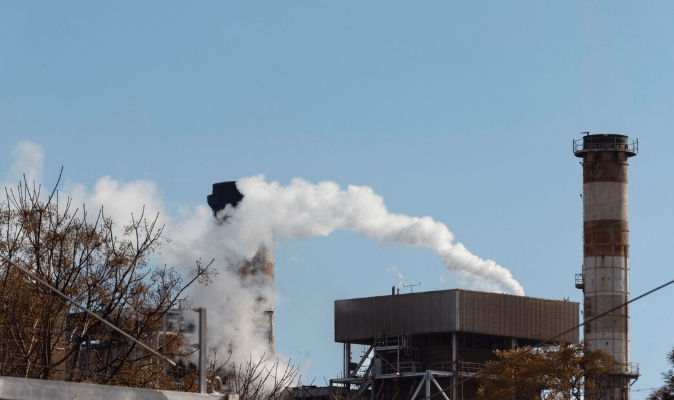
Cambridge University Fossil Fuel Divestment

Walking around Cambridge today gives me the impression that the divestment controversy was never really about money. It had to do with identity. In a century characterized by climate breakdown, what kind of establishment does an 800-year-old university hope to become? Investment officers don’t typically use such language, but Chief Investment Officer Tilly Franklin described it as a reaction to an existential threat. The plan itself reads almost like a slow-motion exit: by 2020, stop investing in conventional energy public equity managers; by 2025, increase renewable energy; by 2030, remove significant exposure to fossil fuels; and by 2038, reach net zero.

The university then went one step further in late 2023 and started searching for a replacement for Barclays, which had been handling several hundred million pounds of its funds for more than 200 years. It had become awkward for Barclays to be the leading lender to new oil and gas projects in Europe. Christian Aid and the University of Leeds had already departed. The National Trust was under pressure to follow Cambridge’s lead.

Not everyone believes that this is important. The economics just don’t add up, according to Ryan Bourne, who wrote for the Cato Institute. Fuller divestment would force Cambridge to abandon its “fund of funds” model, potentially costing £40 million annually in lost returns, according to the university’s own report, which was co-authored by Ellen Quigley, Emily Bugden, and Anthony Odgers. The awkward point is Bourne’s more difficult one. Someone else purchases your fossil fuel shares when you sell them, and that person most likely doesn’t care as much about emissions as you do. The earth is unaware of it. That is what the balance sheet does.

That criticism hurts because it’s partially accurate. The endowment of Cambridge is about 0.3% that of Norway’s sovereign wealth fund, which has demonstrated no desire for stringent screening. In the cold math of international capital flows, divestment is primarily symbolic. However, symbols are important in a place like Cambridge. Finance ministers, central bankers, and executives who will eventually lead the companies being divested from are all trained by the university. What it conveys influences their perception of what is appropriate.

The university made additional pledges by early 2026, such as a ban on new funding for fossil fuels and more stringent oversight of all donations. It’s really unclear if any of it performs as promised. Like most climate deadlines, the 2038 deadline seems ambitious—that is, plausible on paper but concerning in reality. Even so, it’s difficult to ignore the fact that something has changed as you watch this develop. Not the weather. Not just yet. However, the organization.

Cambridge University Fossil Fuel
Share. Facebook Twitter Pinterest LinkedIn Tumblr WhatsApp Email
Previous ArticleUK University Mergers Are No Longer a Last Resort — They’re Becoming a Strategy
Next Article The Daredevil College Team – How Columbia Law Forged Matt Murdock and Foggy Nelson
Jerry Leger

    Jerry Leger is a full-time online writer and Senior Editor at radiowaves.co.uk, where he covers the latest research and developments across education, schools, colleges, and the world of sports. With a sharp eye for innovation and a genuine curiosity about how learning evolves, Jerry brings depth and clarity to topics that matter most to students, educators, and parents alike. Jerry writes with the kind of passion that only comes from genuinely caring about the subject, covering everything from curriculum changes and classroom policies to innovative school initiatives and the tales of athletic success. His work is easily readable and well-researched, whether he is dissecting the most recent findings in education or examining how innovation is changing the way we teach and learn.

    Related Posts

    The Daredevil College Team – How Columbia Law Forged Matt Murdock and Foggy Nelson

    May 31, 2026

    UK University Mergers Are No Longer a Last Resort — They’re Becoming a Strategy

    May 31, 2026

    Manchester University Plans to Send Every Student Into the Workplace – It Could Change British Higher Education

    May 31, 2026

    Why Eight Grammar Schools Just Quietly Killed the September 11-Plus

    May 31, 2026
    Leave A Reply Cancel Reply

    You must be logged in to post a comment.

    Don't Miss
    News

    The Daredevil College Team – How Columbia Law Forged Matt Murdock and Foggy Nelson

    By Jerry LegerMay 31, 20260

    Seldom does the Daredevil story start where it ought to. Most readers meet Matt Murdock…

    Cambridge University Fossil Fuel Divestment – A Five-Year Fight That Finally Cracked the Endowment

    May 31, 2026

    UK University Mergers Are No Longer a Last Resort — They’re Becoming a Strategy

    May 31, 2026

    Manchester University Plans to Send Every Student Into the Workplace – It Could Change British Higher Education

    May 31, 2026

    Why Eight Grammar Schools Just Quietly Killed the September 11-Plus

    May 31, 2026

    Ball State University Settlement Becomes the Latest Flashpoint in America’s Free Speech War

    May 31, 2026

    Inside Manurewa High School’s Staffing Crisis – When 29 Teachers Call In Sick on a Single Day

    May 31, 2026
    About Us
    About Us

    Radiowaves is the UK's trusted safe digital publishing platform for schools, built specifically to help children and young people report on their world through podcasts, video, and blogs. We believe every young person has a story worth telling — and we exist to make sure they can tell it safely.
    Whether it's covering a local sports day, exploring science at school, reporting on wildlife and the environment, or sharing creative work with the world, Radiowaves gives students the tools, the platform, and the confidence to become real reporters.

    Safe student publishing — podcasts, videos, blogs, and news stories, all moderated before going live
    A global network of young reporters — students connect with peers across the UK and around the world
    Curriculum-linked projects and competitions — exclusive opportunities that bring learning to life
    Teacher and parent confidence — every piece of content passes through safeguarding protocols before it is published

    Our platform is used by primary and secondary schools, and our content spans news, education, science, sport, the environment, music, and local community stories.

    Our Picks

    The Daredevil College Team – How Columbia Law Forged Matt Murdock and Foggy Nelson

    May 31, 2026

    Cambridge University Fossil Fuel Divestment – A Five-Year Fight That Finally Cracked the Endowment

    May 31, 2026

    UK University Mergers Are No Longer a Last Resort — They’re Becoming a Strategy

    May 31, 2026
    Disclaimer

    Radiowaves is a publishing platform for education. Nothing on this website should be interpreted as professional advice of any kind, including information about science, health, finance, economics, current affairs, or local news. Specifically, nothing on radiowaves.co.uk qualifies as tax advice, investment advice, financial advice, or any other type of regulated financial service. The Financial Conduct Authority (FCA) has neither authorized nor regulated Radiowaves Schools Ltd. Student reporters’ coverage of financial issues is solely intended for informational and educational purposes. Before making any financial decisions, readers should always speak with a qualified financial expert.
    The content of any external websites that are linked from this platform is not the responsibility of Radiowaves. An external link does not imply support for that website, its content, or its proprietors.
    Parents and guardians are encouraged to monitor their children’s online activity and report any concerns to their school or directly to Radiowaves via our Contact page, even though every effort is made to ensure the platform is safe for young users.

    The Financial Conduct Authority (FCA) or any other financial regulatory body in the UK or abroad has neither authorized nor regulated Radiowaves Schools Ltd. as a financial institution. When making financial decisions for oneself, a business, or an investment, nothing on this website should be trusted.
    Please speak with an independent financial advisor who is fully authorized and subject to FCA regulation if you need financial advice.

    • Homepage
    • Privacy Policy
    • Terms of Service
    • About Us
    • Disclaimer
    • News
    • Schools
    • Trending
    © 2026 ThemeSphere. Designed by ThemeSphere.

    Type above and press Enter to search. Press Esc to cancel.

    Sign In or Register

    Welcome Back!

    Login to your account below.

    Lost password?