

The choice wasn’t made quietly. It came after five years of protests, open letters, occupations of administrative buildings, and the kind of gradual institutional pressure that only Cambridge students, with their unique blend of refinement and obstinacy, seem able to withstand. The Vice-Chancellor declared in October 2020 that the university’s £3.5 billion endowment would stop using fossil fuels by 2030 and strive for net zero across its whole investment portfolio by 2038. The campaigners described it as a historic moment. The scholars muttered, “A long time coming.” You could practically hear the rustling unease of bursars wondering what this would mean for the books somewhere in the background.
It’s easy to forget how strange this was. Cambridge had been comfortably involved in the energy sector for decades, taking funding for research, serving on boards, and discreetly holding shares through layers of offshore funds. The institution was embarrassed but not immediately moved by the 2017 Paradise Papers leak, which exposed investments in deep-sea drilling technology and a stake in Royal Dutch Shell. It was more difficult to pinpoint what ultimately caused it to move. Maybe a changing mood. The students who arrived in 2015 were not interested in carrying on the older generation’s courteous ambivalence because they had grown up witnessing the climate conversation turn from concern to emergency.
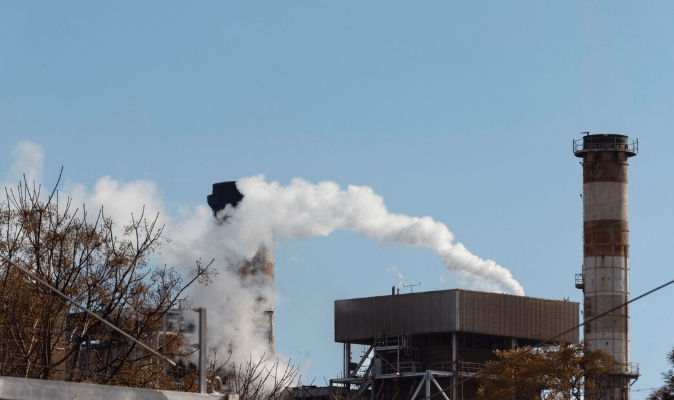
Walking around Cambridge today gives me the impression that the divestment controversy was never really about money. It had to do with identity. In a century characterized by climate breakdown, what kind of establishment does an 800-year-old university hope to become? Investment officers don’t typically use such language, but Chief Investment Officer Tilly Franklin described it as a reaction to an existential threat. The plan itself reads almost like a slow-motion exit: by 2020, stop investing in conventional energy public equity managers; by 2025, increase renewable energy; by 2030, remove significant exposure to fossil fuels; and by 2038, reach net zero.
The university then went one step further in late 2023 and started searching for a replacement for Barclays, which had been handling several hundred million pounds of its funds for more than 200 years. It had become awkward for Barclays to be the leading lender to new oil and gas projects in Europe. Christian Aid and the University of Leeds had already departed. The National Trust was under pressure to follow Cambridge’s lead.
Not everyone believes that this is important. The economics just don’t add up, according to Ryan Bourne, who wrote for the Cato Institute. Fuller divestment would force Cambridge to abandon its “fund of funds” model, potentially costing £40 million annually in lost returns, according to the university’s own report, which was co-authored by Ellen Quigley, Emily Bugden, and Anthony Odgers. The awkward point is Bourne’s more difficult one. Someone else purchases your fossil fuel shares when you sell them, and that person most likely doesn’t care as much about emissions as you do. The earth is unaware of it. That is what the balance sheet does.
That criticism hurts because it’s partially accurate. The endowment of Cambridge is about 0.3% that of Norway’s sovereign wealth fund, which has demonstrated no desire for stringent screening. In the cold math of international capital flows, divestment is primarily symbolic. However, symbols are important in a place like Cambridge. Finance ministers, central bankers, and executives who will eventually lead the companies being divested from are all trained by the university. What it conveys influences their perception of what is appropriate.
The university made additional pledges by early 2026, such as a ban on new funding for fossil fuels and more stringent oversight of all donations. It’s really unclear if any of it performs as promised. Like most climate deadlines, the 2038 deadline seems ambitious—that is, plausible on paper but concerning in reality. Even so, it’s difficult to ignore the fact that something has changed as you watch this develop. Not the weather. Not just yet. However, the organization.
