

At a Friday night lacrosse game in Fargo, the game’s speed isn’t the first thing you notice. The parking lot is where it is. Parents juggling folding chairs and cold travel mugs of coffee, pickup trucks jammed up against minivans, children running between cars in muddy cleats. It would have been difficult to find a dozen people watching five years ago. The overflow now stands two or three deep along the chain-link fence as the bleachers fill up before the first faceoff.
Hockey has always been popular in North Dakota. Depending on the small town you grew up in, it may also be football country. Other states, primarily in the east, played lacrosse, a sport that was briefly mentioned on ESPN before being overshadowed by the next NFL highlight. That was just the way things were for a long time. The order was then subtly broken sometime between the late 2010s and the present.
In a way, athletic directors anticipated it. For six years in a row, lacrosse has been identified as the most popular high school sport in national surveys conducted by organizations such as Coach & Athletic Director. Approximately thirty percent of athletic directors stated that they anticipated the introduction of either boys’ or girls’ programs. The larger metro areas of the Midwest and the coasts accounted for the majority of those figures. The story was not intended to include North Dakota. And yet, all of a sudden, it is a part of the narrative.
You begin to hear the same thing when you speak with coaches in West Fargo, Grand Forks, and Bismarck. Kids tried it once, usually in a friend’s backyard or at a summer clinic, and they never put the stick down. Players who grew weary of waiting for a turn at quarterback or burned out on the structure of hockey are drawn to the rhythm of lacrosse because of its constant motion, dodging, and cradling. It is more affordable than hockey, quicker than football, and accommodating to novice athletes. The final point is more important than most people realize.
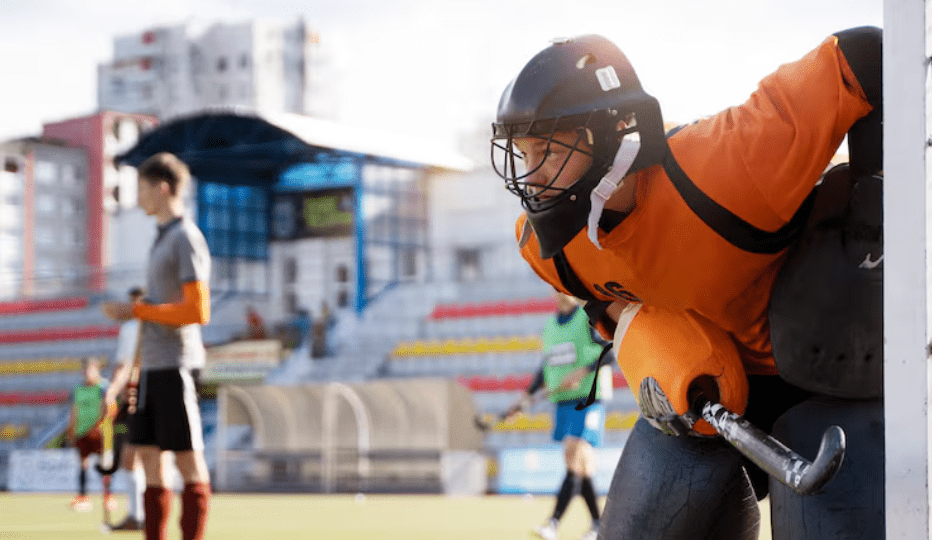
The growth has not been tidy. The majority of the work is done by parents because many programs still function as club teams rather than officially recognized high school athletics. GoFundMe pages, fundraising events, and equipment donations from out-of-state alumni who relocated to Denver or Minneapolis and wish to give back. In a way that Texas high school football never had to be, it seems as though the sport is being created by hand, piece by piece.
As always, coaches are the bottleneck. In a state without a true college pipeline, finding qualified lacrosse coaches is a slow puzzle in and of itself. Some transplants from Long Island or Maryland have emerged as unlikely local celebrities, the kind of people who show up at middle school open houses with inexpensive mesh sticks in an attempt to recruit twelve-year-olds. It’s possible that North Dakota will produce its first generation of homegrown coaches in ten years. Though not certain, it’s possible.
The underlying cultural shift is more difficult to overlook. Nobody thinks that hockey will disappear. However, lacrosse has carved out a niche for itself, particularly among girls, who now comprise one of the fastest-growing groups of high school athletes in the nation. You get the impression that the old map of American high school sports is being redrawn in areas that no one was paying attention to as you watch the sport spread through a state that, by most reasonable metrics, shouldn’t have caught the bug.
The question of whether North Dakota becomes a legitimate lacrosse state or merely an interesting side note is still up for debate. However, the number of trucks in the parking lot continues to grow.
